How we teach
Our curriculum is designed to meet students where they are, building the skills for success in reading, written expression and mathematics until they reach mastery of academic benchmarks.
In content-rich subjects — science, history and the arts — we align with the California Standards, but instead of relying exclusively on textbooks, project-based learning enriches their experience and often highlights their exceptional artistic, conceptual and visual-spatial thinking talents.
Curricula
Slingerland language instruction, mathematics, science and social studies — how each subject is taught at North Bridge.
English Language Arts
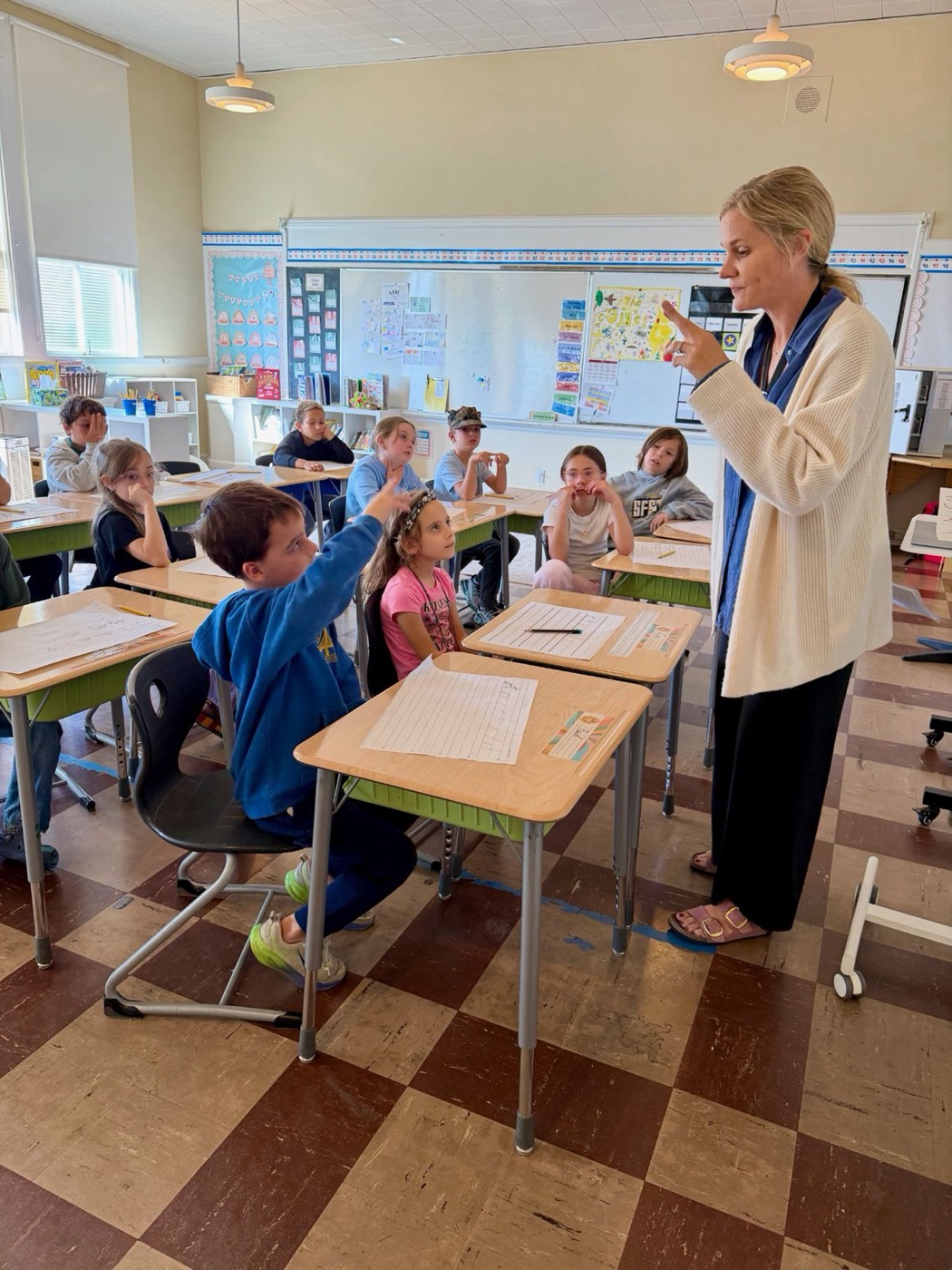
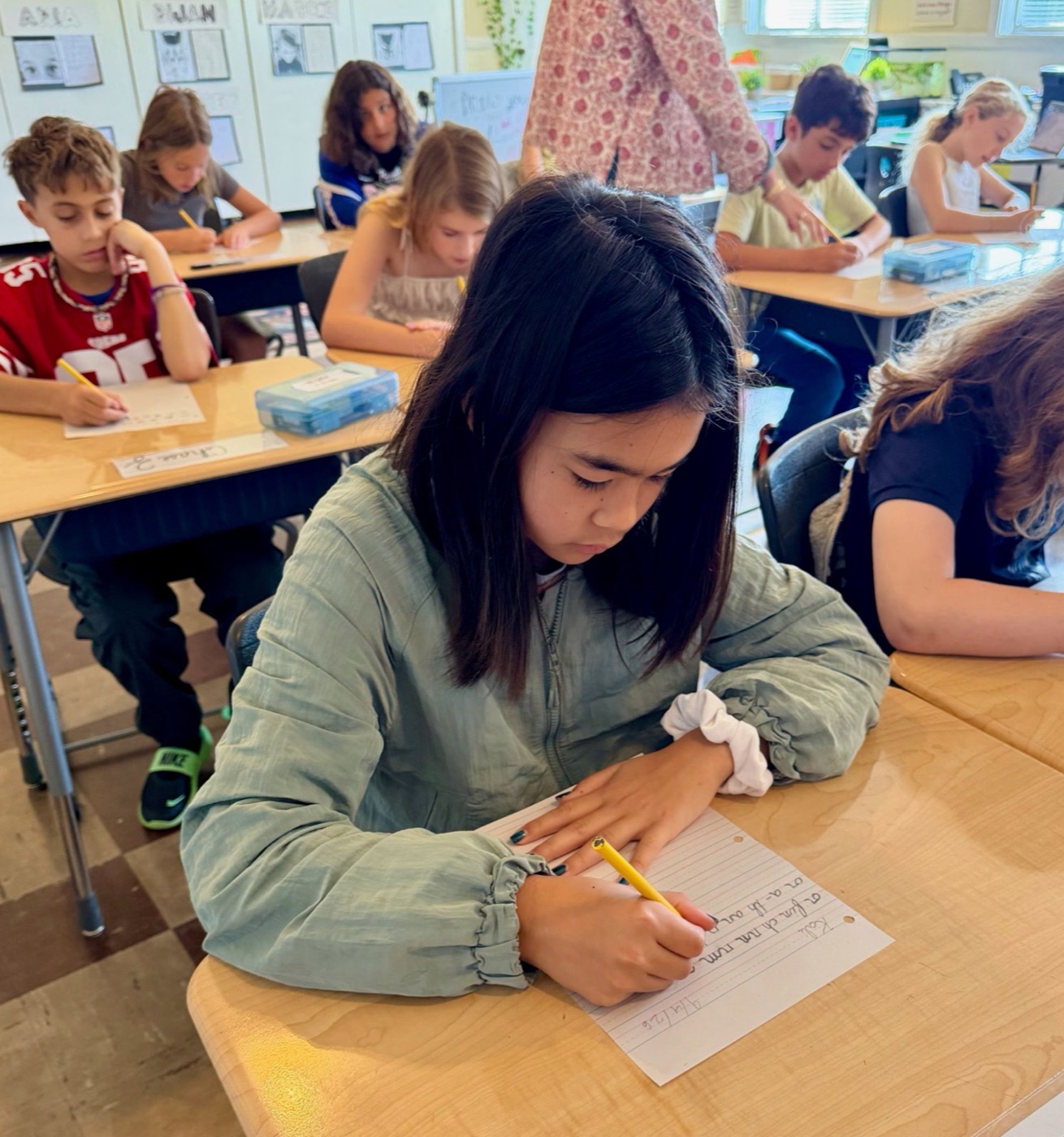
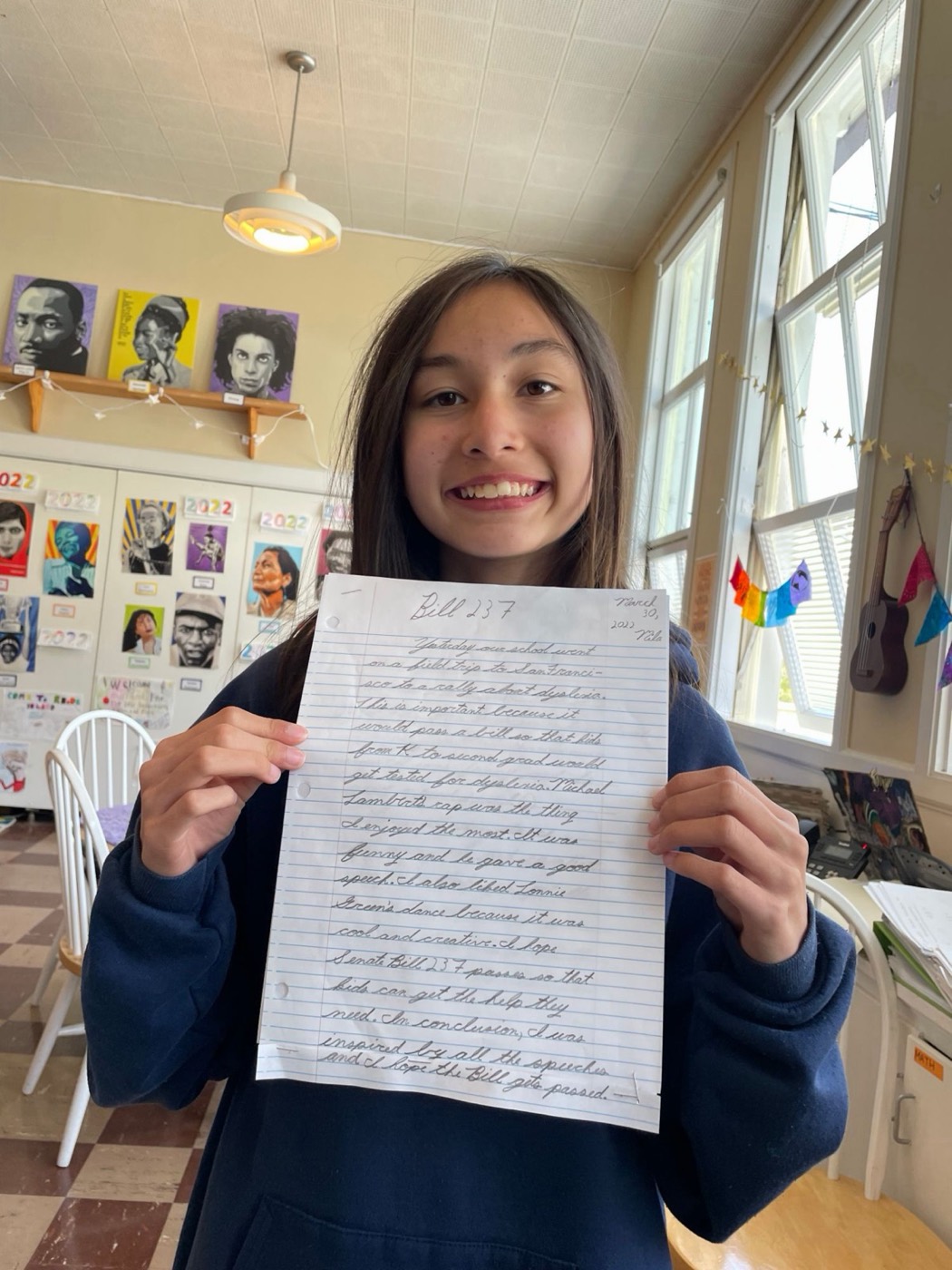
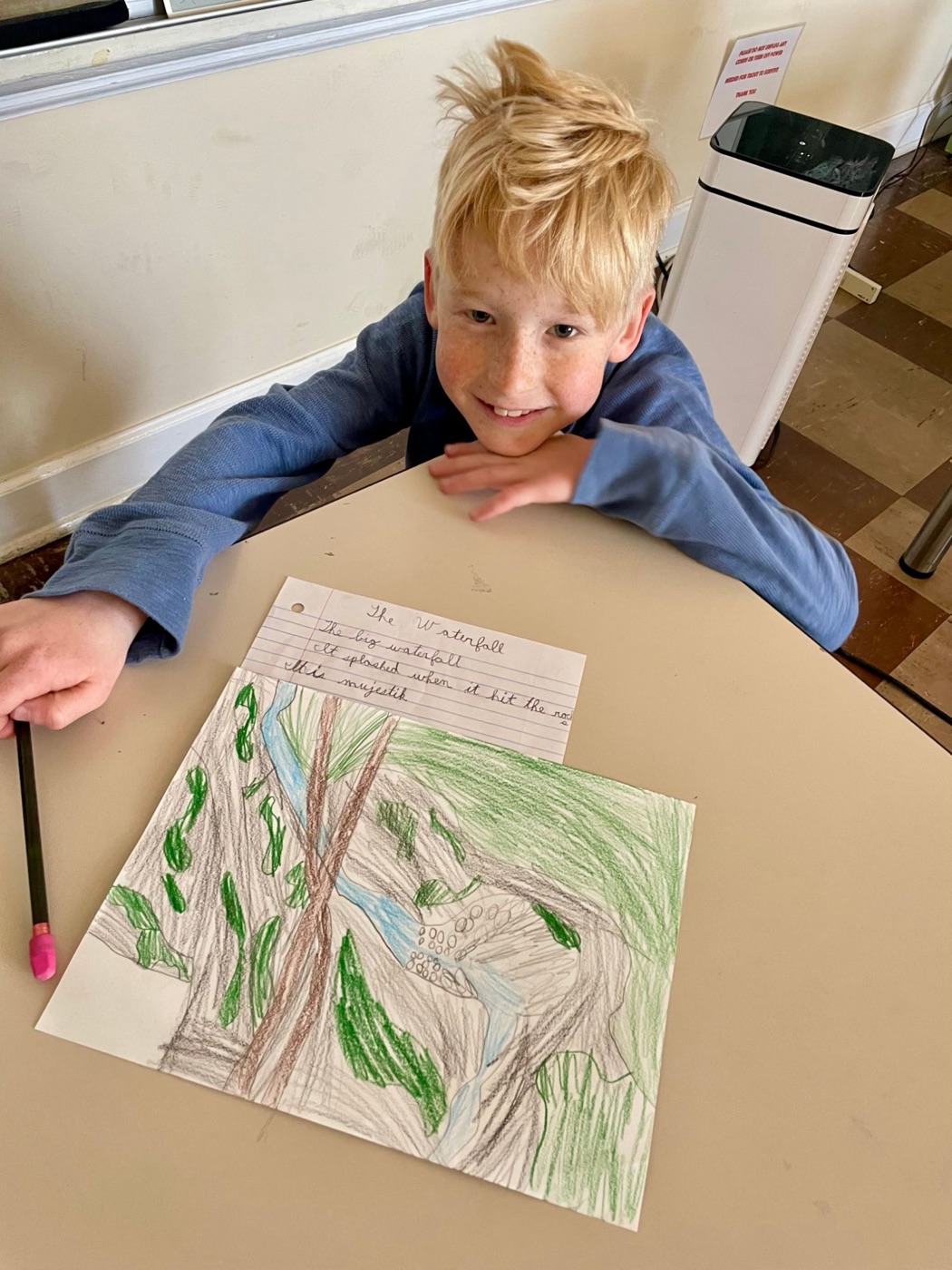
When it comes to reading remediation, instructional minutes matter — which is why our students participate in up to two hours a day of ELA instruction. In addition to Slingerland lessons, students receive direct instruction in oral expression, grammar and writing.
A second ELA block gives students the time to practice reading texts fluently, express ideas with clarity and write more detail-rich sentences. Middle school students receive daily Slingerland instruction plus a core class in literary analysis and composition, with heavy emphasis on morphology — Latin and Greek base elements.
Math
Dyslexic learners can be flexible, curious, efficient mathematical reasoners. Our students have a range of mathematical abilities — some with Dyscalculia Repeated difficulty with arithmetic and number sense — recalling facts, sequencing steps, estimating and understanding quantity. and some in accelerated math — and our program is built to meet each of them where they are.
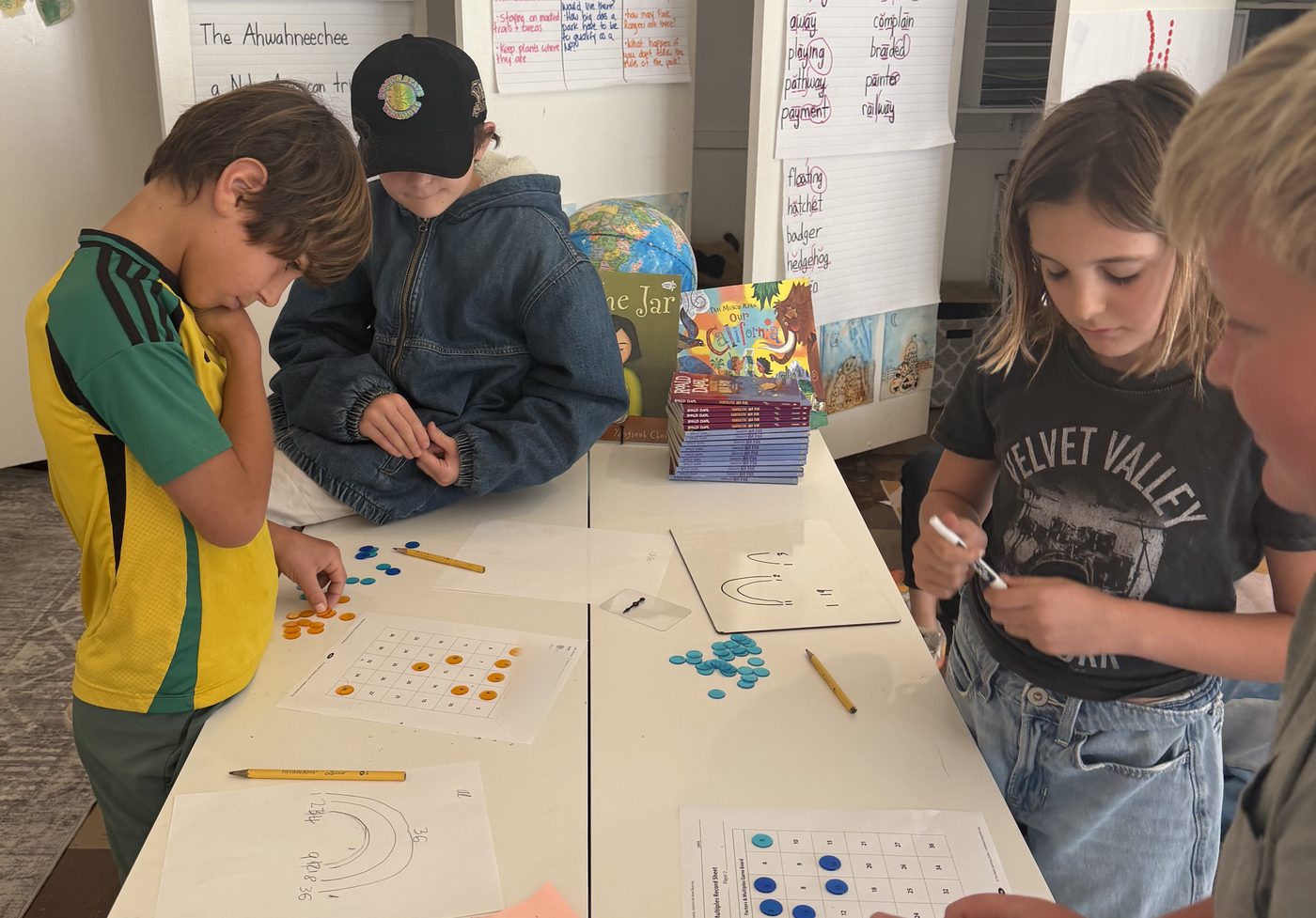
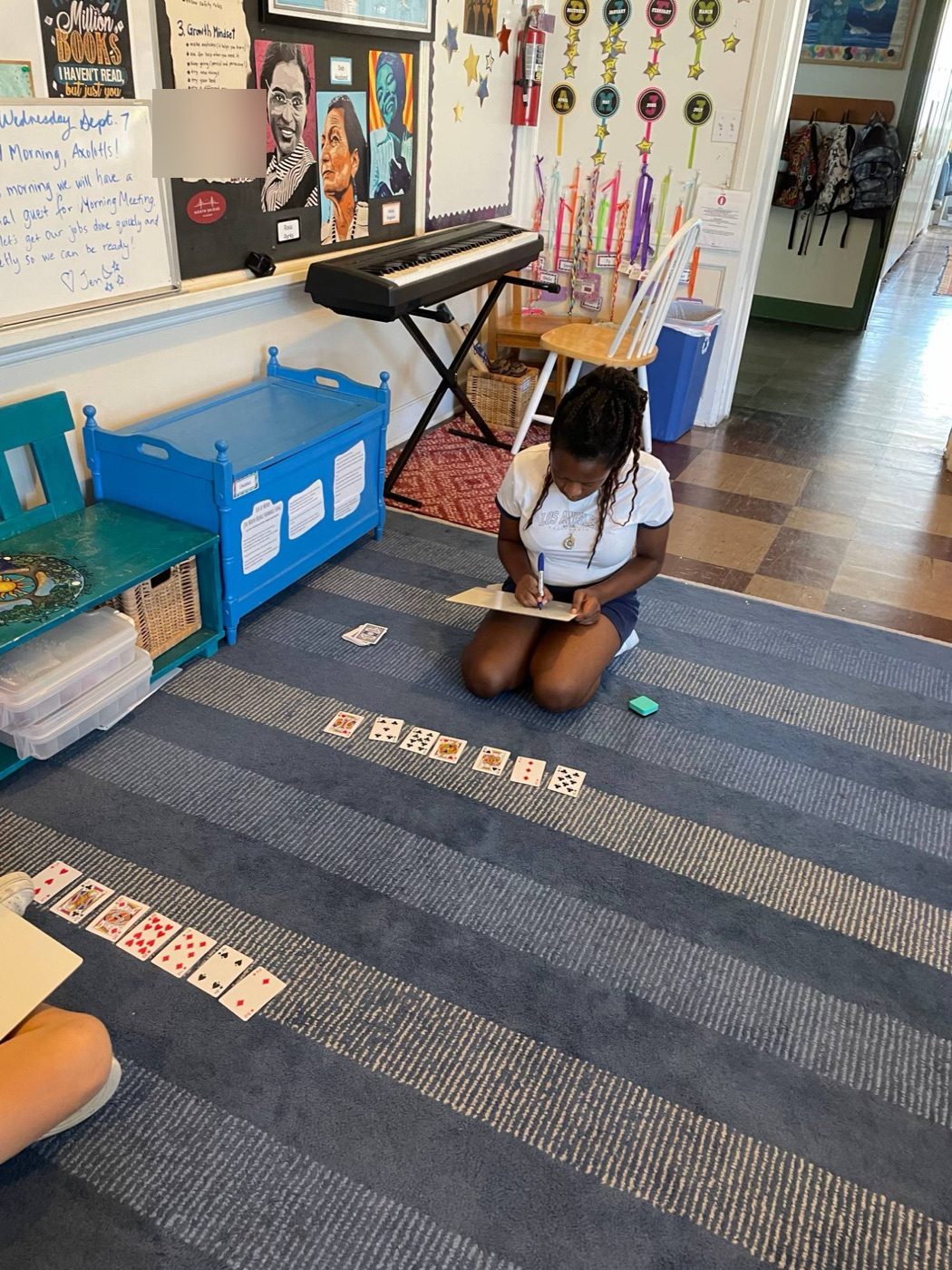
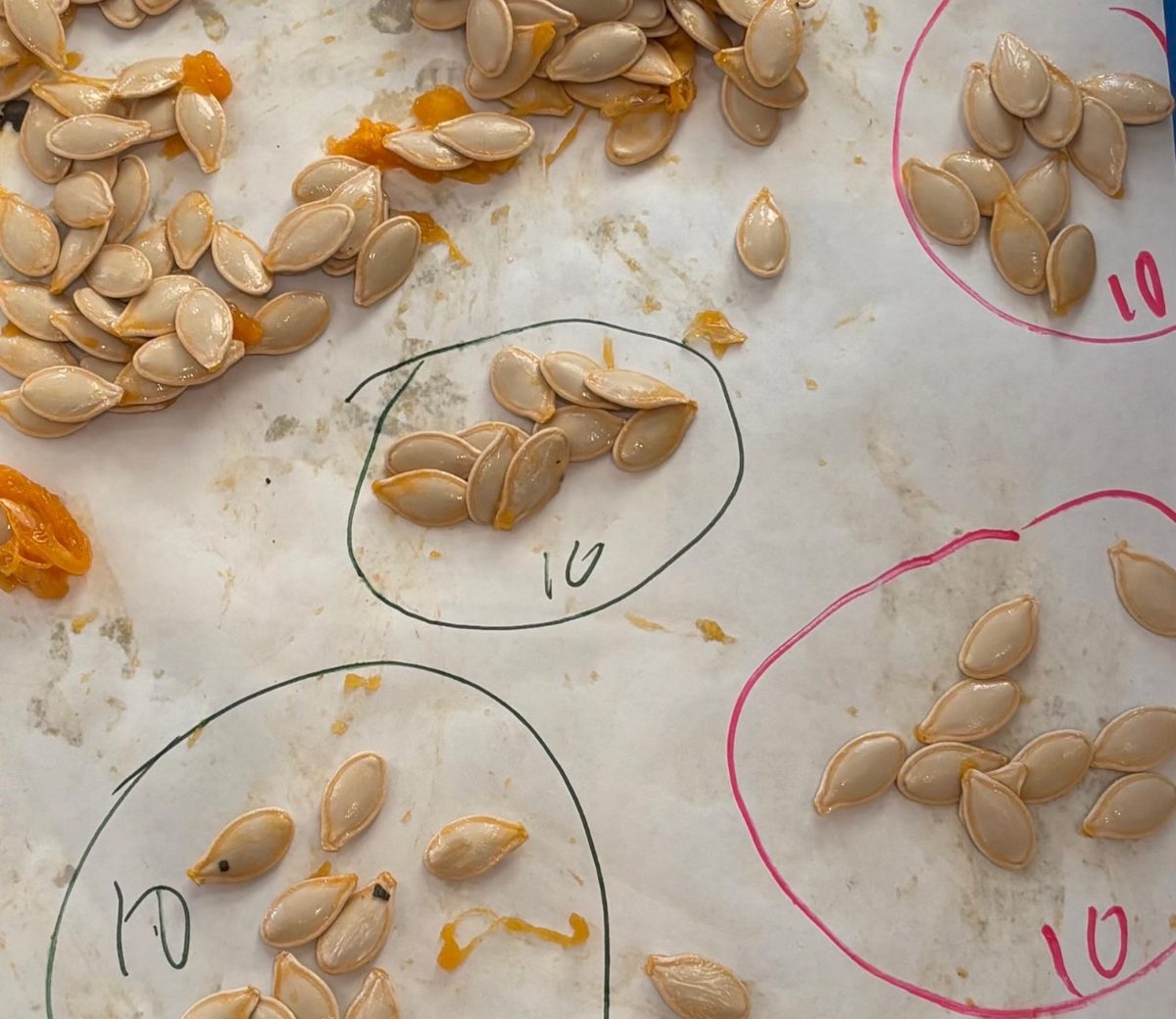
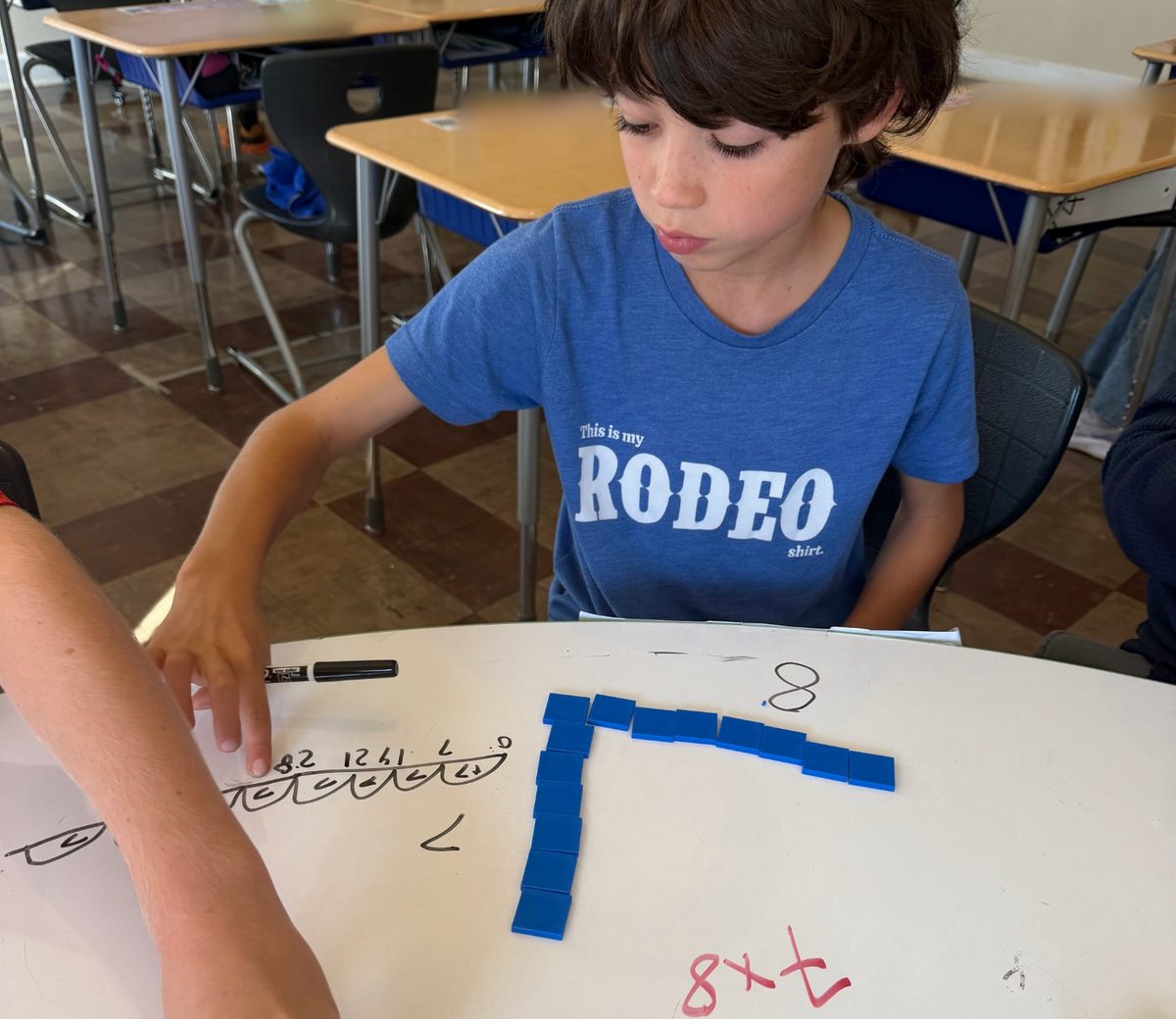
Students have math class every day. Lessons are multi-sensory and hands-on, built around projects, games and real-world problems, and students work both collaboratively and independently. We teach the concept behind each process, guiding students from concrete exploration to abstract problem solving. Instruction follows an articulated scope and sequence across grade levels, but the pace depends on each student. We differentiate the curriculum and teach in small, leveled groups, so we can support students who need intensive remediation and students working well beyond grade level.
In Middle School, we are piloting Amplify Desmos Math™. In Lower School, we use Bridges® in Mathematics along with Becky Lord’s Mathemagical™ Structured Numeracy. All of our curricula are backed by independent research and student-centered in their design.
Science
Science offers great potential for many students with dyslexia — divergent and creative thinking, investigation and inquiry often come naturally. Our job is to help them realize that strength and develop the thinking skills to apply it.
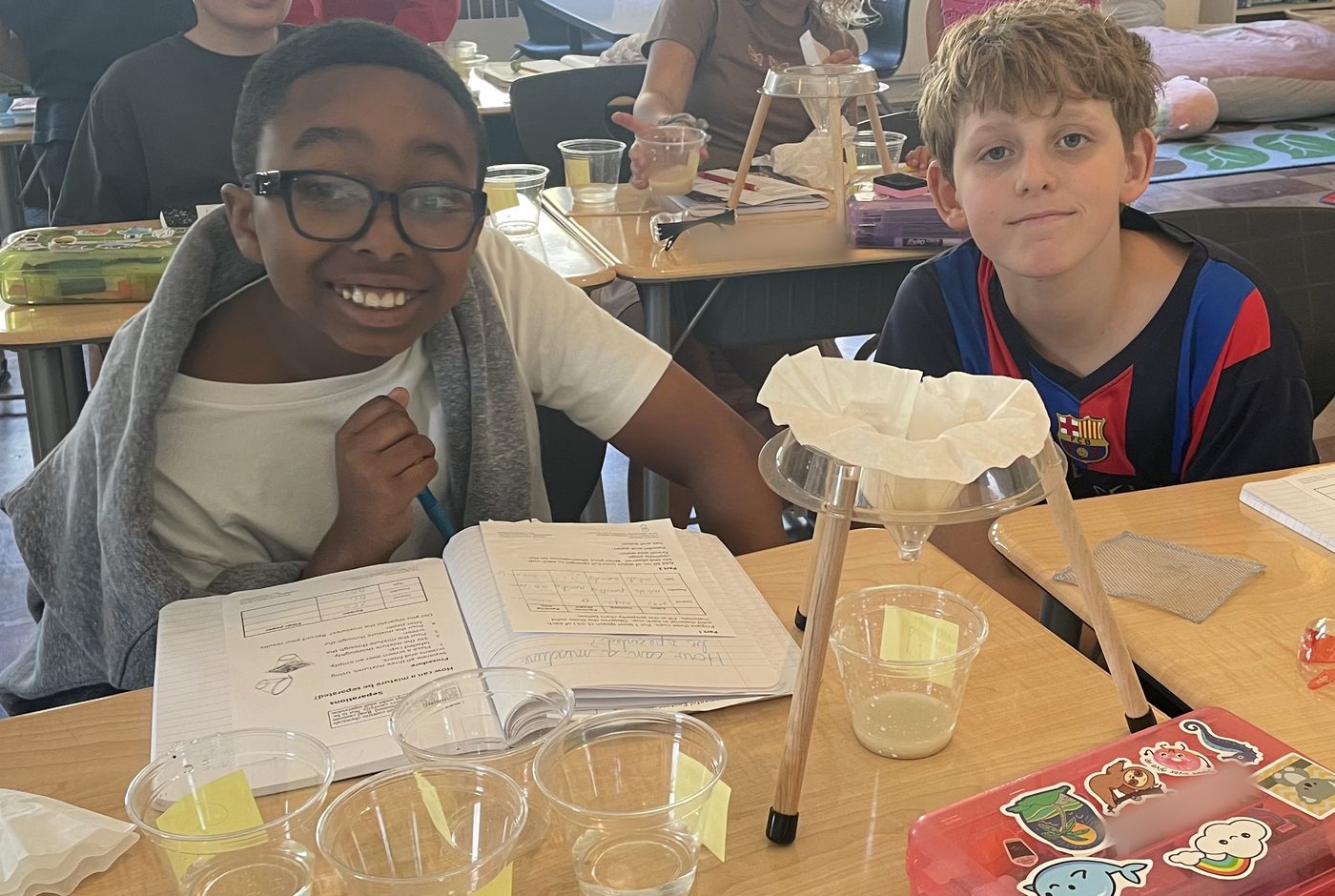
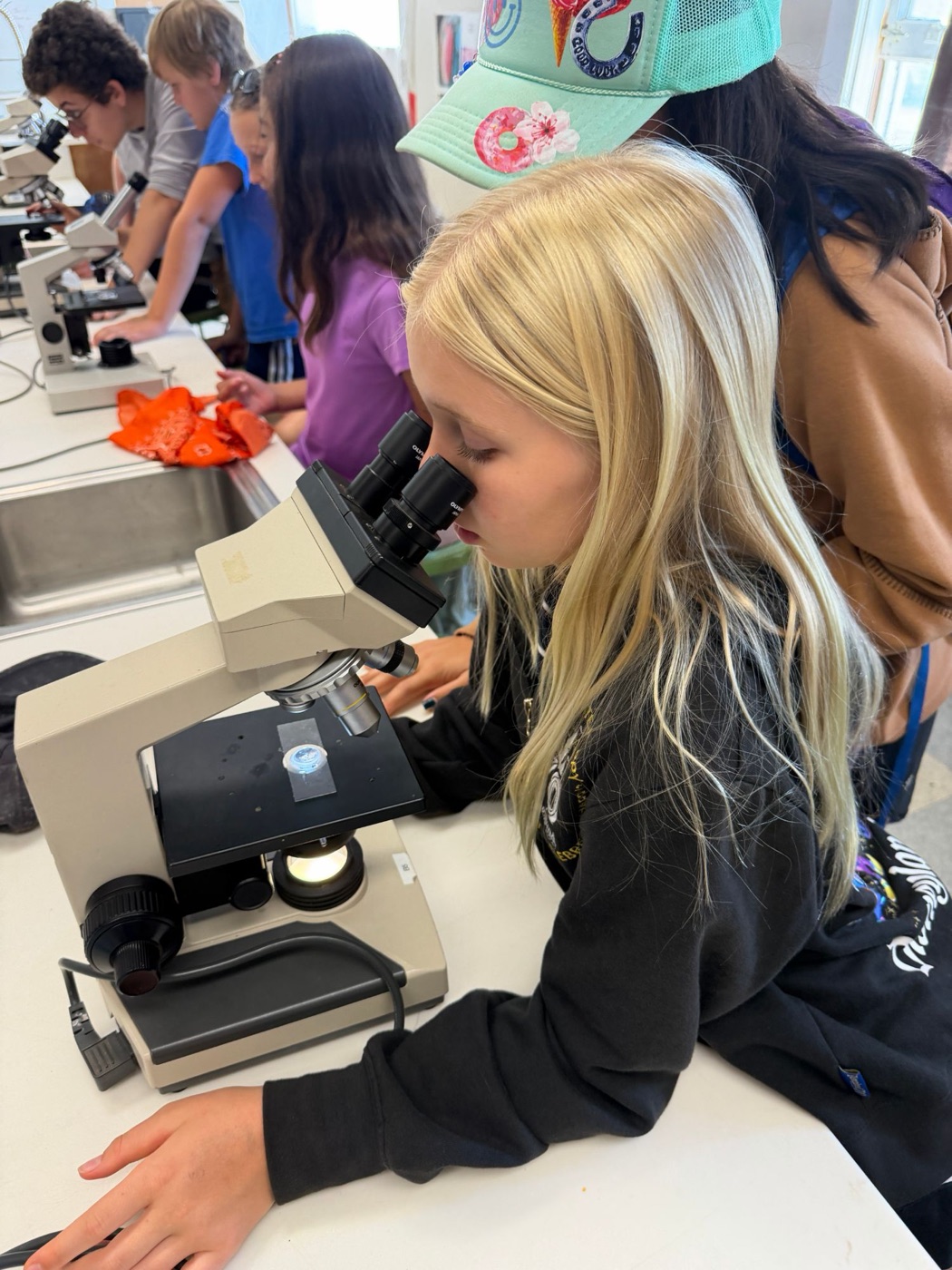
We adhere to age-level standards with a focus on hands-on, creative work: most every science lesson is a project, with particular emphasis on the natural sciences given the resources of Marin and the Bay Area.
Social Studies
As with science, the standards met are the same as any California public or private school. Literature, character re-enactment and group projects drive student investigation into the past and connect it with the present.
Current events enter the curriculum through student discussion and impactful events. In all lessons students research and write, and are given the opportunity to engage in multi-media and art.
We use the social studies curriculum from TCI (Teachers’ Curriculum Institute).